Train Anywhere: How to Build Functional Strength Using Nothing but Your Bodyweight

Functional fitness doesn't require a gym, specialized gear, or a perfectly designed training space. In reality, your body is the most adaptable and effective piece of equipment you will ever own. Bodyweight training allows you to develop strength, mobility, coordination, and endurance anywhere; at home, in a park, on the road, or in any environment where life happens. In a world where preparedness matters, the ability to control, move, and strengthen your own body is one of the most valuable skills you can build. When you’re physically capable, you’re more resilient, more confident, and better equipped to handle both everyday challenges and unexpected situations. This guide will walk you through practical, functional bodyweight exercises for every major muscle group and show you how to structure a balanced routine that supports a prepared, capable, and self-reliant lifestyle.
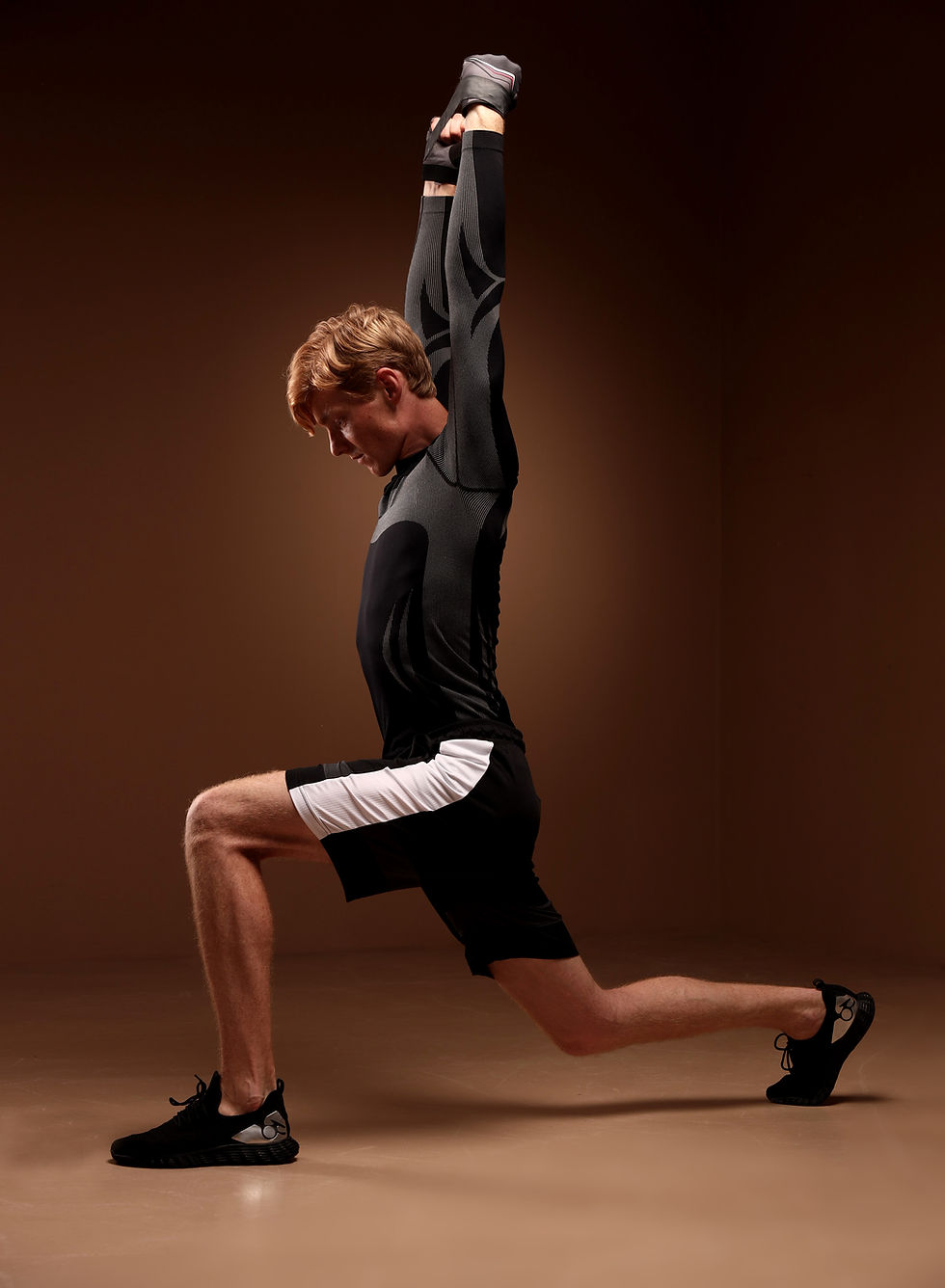
Lower-Body Bodyweight Exercises
Building a strong lower body is essential for everyday movements and athletic performance. Bodyweight exercises can target all the major muscles in your legs and hips.
Squat Progressions
Assisted Bodyweight Squat
Use a sturdy support like a chair or wall to help maintain balance and reach proper depth. This is ideal for beginners or those working on mobility.
Bodyweight Squat
A foundational movement that strengthens quads, glutes, and hamstrings. Keep your chest up and knees tracking over toes.
Single-Leg Squat Progressions
Assisted Pistol Squat
Hold onto a stool or box for support while lowering on one leg. This builds balance and unilateral strength.
Pistol Squat
An advanced single-leg squat requiring strength, balance, and control. Work up to this gradually.
Lunges
Supported Lunges
Use a wall or chair to help with balance as you step forward or backward. This improves mobility and stability.
Regular Lunges
Step forward and lower your hips until both knees are bent at 90 degrees. This strengthens quads, glutes, and hips.
Additional Lower-Body Movements
Single-Leg Deadlift
Focus on balance while hinging at the hips to target hamstrings and glutes.
Hip Bridge
Lie on your back and lift your hips to activate glutes and improve hip extension.
Calf Raise
Stand on your toes to strengthen calves and improve ankle stability.
Step-Up
Step onto a raised surface to mimic stair climbing and build functional leg strength.
Box Jump
Jump explosively onto a sturdy box or platform to develop power and coordination.
Push Bodyweight Exercises
Push movements target the chest, shoulders, and triceps. Progressions help build strength safely.
Push-Up Progressions
Knee Push-Up
A beginner-friendly version reducing load by keeping knees on the ground.
Elevated Push-Up
Hands placed on a raised surface to decrease difficulty.
Standard Push-Up
Hands and toes on the floor, body in a straight line. This builds upper-body strength.
Advanced Push Variations
Decline Push-Up
Feet elevated to increase resistance on shoulders and upper chest.
Side-to-Side Push-Up
Shift your weight laterally to challenge stability and coordination.
Vertical Pressing
Assisted Dip
Use a bench or chair to support some bodyweight while working triceps and shoulders.
Dip
Lower and raise your body between parallel bars or sturdy surfaces.
Handstand Wall Walk
Walk your feet up a wall into a handstand position to build shoulder and upper-body stability.
Pull Bodyweight Exercises
Pull exercises strengthen the back, biceps, and forearms. These can be done with minimal equipment like a bar or sturdy surface.
Row Progressions
Inverted Row (High)
Set a bar or sturdy surface at waist height and pull your chest toward it.
Inverted Row (Low)
Lower the bar to increase difficulty by pulling from a more horizontal position.
Grip and Bar Work
Bar Hang
Simply hang from a bar to build grip strength and decompress the spine.
Assisted Pull-Ups
Use a resistance band or box to support some of your weight.
Negative Pull-Ups
Jump or step up to the top position and slowly lower yourself down.
Pull-Up
Pull your chin above the bar using your back and arm muscles.
Chin-Up
Similar to pull-ups but with an underhand grip, emphasizing biceps.

Core Bodyweight Exercises
A strong core supports all movement and improves posture.
Foundational Core Movements
Reverse Crunch
Lie on your back and lift your hips toward your chest.
Knee Plank
Beginner plank variation with knees on the ground.
Plank
Hold a straight body line on forearms or hands.
Side Plank
Balance on one forearm and the side of your foot to target obliques.
Dynamic and Hanging Movements
Hip Bridge Hold
Hold the top position of a hip bridge to engage glutes and lower back.
Hanging Knee Tuck
Hang from a bar and tuck knees toward your chest.
Jumping Knee Tuck
Jump and tuck knees mid-air to engage the core dynamically.
Hollow Body Progressions
Hollow Body Hold
Lie on your back, lift shoulders and legs off the ground, keeping the lower back pressed down.
Hollow Body Rock
Rock gently back and forth while holding the hollow body position.
Advanced Bar Core Movements
Knees-to-Elbows
Hang from a bar and bring knees to elbows.
Toes-to-Bar
Lift toes to touch the bar while hanging.
Posterior-Chain Core Movement
Good Morning
Hinge at the hips with a straight back to strengthen lower back and hamstrings.
Dynamic Full-Body Movements
Adding dynamic exercises improves cardiovascular fitness and coordination.
Walking Jacks
Step side to side while raising arms overhead.
Jumping Jacks
Classic full-body cardio move.
Star Jacks
A wider variation of jumping jacks for more range of motion.
Burpees
Combine a squat, jump, and push-up for a full-body challenge.
Burpees with Pull-Up
Add a pull-up at the top of the burpee for extra upper-body work.

How to Build an Anywhere Bodyweight Workout
Creating a balanced workout is simple when you select exercises from each category.
Workout Structure
Choose one exercise from each group:
- Lower Body
- Push
- Pull
- Core
- Dynamic/Cardio
Perform 3 to 4 sets of 8 to 12 repetitions for each exercise.
Rest 30 to 60 seconds between sets.
Adjust reps and sets based on your fitness level.
Sample Workout
Bodyweight Squat
Standard Push-Up
Assisted Pull-Up
Plank (hold for 30 seconds)
Jumping Jacks (30 seconds)
Repeat 3 rounds with 45 seconds rest between rounds.
Anywhere - Anytime
Functional fitness isn’t about chasing perfection or waiting for the “right” environment; it’s about building real, usable strength with what you have, wherever you are. When you train with your own bodyweight, you’re not just improving muscle tone or endurance; you’re developing the kind of capability that carries into every area of life. You become more stable, more resilient, and better equipped to handle both routine demands and unexpected challenges. The movements in this guide give you the tools to train anywhere and adapt your routine to any situation, reinforcing a lifestyle of preparedness and self-reliance. Whether your goal is improved performance, greater confidence, or simply being ready for whatever comes your way, bodyweight training offers an option and path forward. Stay consistent, stay intentional, and remember, your body is always ready to work with you.


Comments